Creating Visual Reminders for Students with Anxiety and OCD Tendencies
How students with cognitive delays and anxiety benefit from consistent, accessible reminders to reduce uncertainty and support independence.

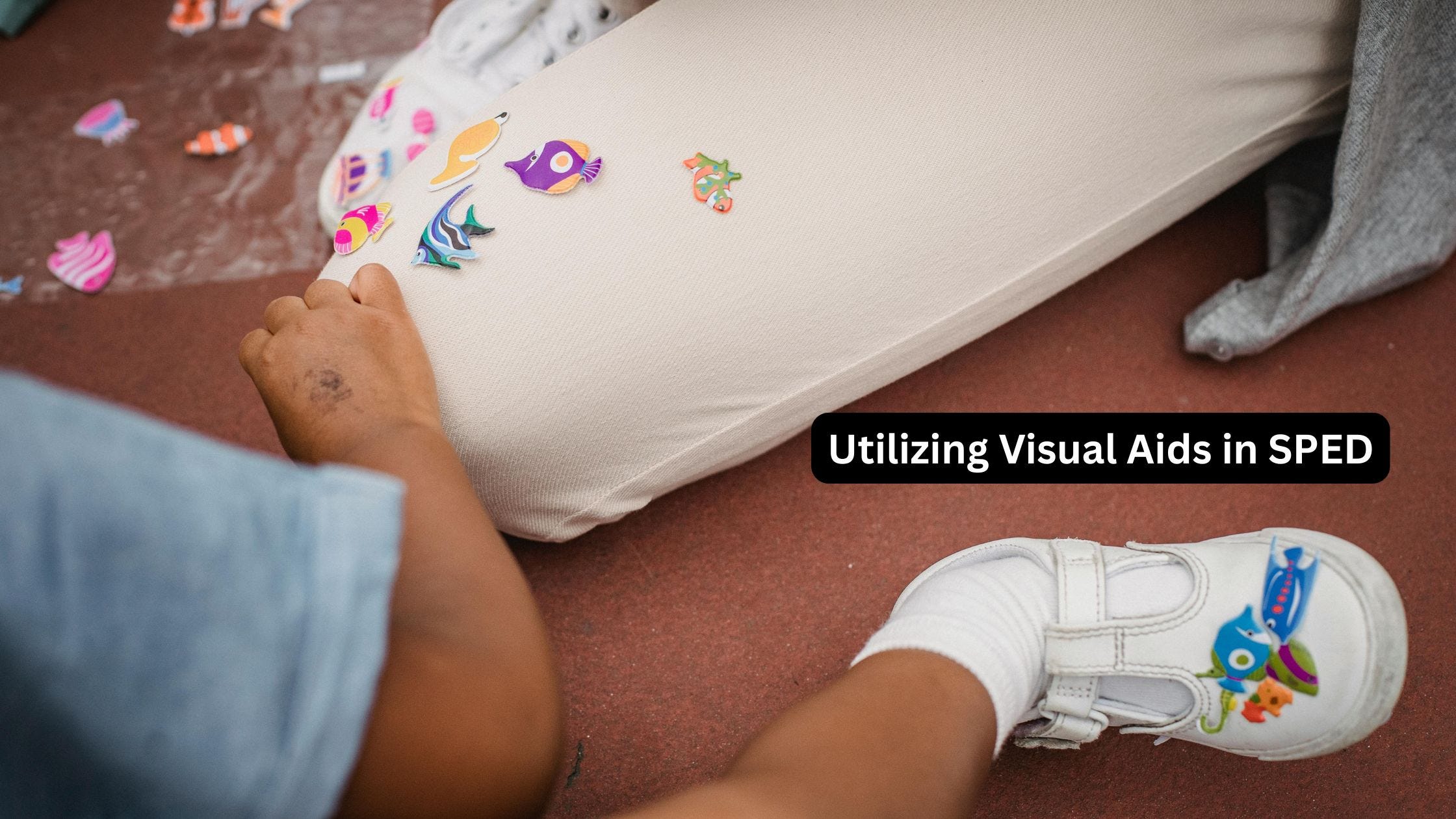
I am sharing today something I did for myself and have used with kids who struggle with anxiety associated with OCD and fixate on the same question.
When a student repeatedly asks the same question ("Will I go home today?" "Is it time for band?"), It's not defiance or inattention—it's anxiety manifesting as a need for reassurance. Without strategies to address this need, both student and teacher become frustrated by the constant repetition.
However, some of what we do to try to help the student does nothing to help and, in fact, only shifts their anxiety over to asking US the question. So, I always try to create solutions that will serve as a bridge to transition them to “finding” the information for themselves. One of these is a visual.
Create a Visual
A visual, physical reminder can serve students with OCD of all cognitive levels. I personally have to use this with myself to deal with my own OCD issues. By working with your students to use these at school, students can check independently whenever worry strikes. Here's how to implement this approach:
The Sticker System for Communication Devices
For students using communication devices or talkers:
When a student first asks a question about the schedule, place a distinctive sticker on their device. I suggest a simple round orange sticker.
Guide them through a tactile routine: "Touch this sticker. This sticker means you're going to band after school."
When they ask again, prompt them to touch the sticker and say, “The sticker means you are going to band after school.”
The next time, touch the sticker and say, “You have an orange sticker.” Then encourage them to touch the sticker as well.
The next time, non-verbally touch the sticker and encourage them to do it as well. Do this rather than repeating the answer
Subsequently, don’t answer and touch the sticker. I don’t even make eye contact with the student. I am modeling to them that when I have the impulse to ask that question, I touch the sticker, and they should too. I am modeling behavior for them.
If they get super elevated or dangerous, I would back up 1 or 2 steps in the process (not all the way to the beginning unless you were already very close to the top, or the behavior is particularly worrisome) and continue the process.
At the end of the waiting period, as they are leaving to do the activity, remove the sticker and give it to them and say, “The school day is over. You are going to band. You may have the sticker.”
The next day, start over. As time passes, try starting the day further down the list
Personalized Visual References
For students without communication devices, you can use some other object or a paper, folder, or other object they use throughout the day as an indication (I like a post-it note on a folder because it removes easily):
For more complex ideas, here are other things you could do.
Create a small visual card with simple images representing the day's schedule
Attach it to their desk, wheelchair, or somewhere they can easily access
When questions arise, direct them to the visual reference
Use consistent language connecting the visual to the answer
Why This Works
It creates an external memory system—what psychologists call "offloading cognition"—allowing students to answer their own questions rather than depending on others for constant reassurance.
Over time, many students develop the habit of checking their visual anchor when anxiety strikes, reducing their dependency on adult intervention and building confidence in managing their own emotional needs.
I have used this in my own life to get over a severe OCD to door locking. I lock my house, put the key in a specific pocket, check the door, and say, “My key is now in my pocket, the door is locked”. As I go throughout my day, if I get the fear of dread I will feel the pocket. I will say again outloud, “My key is now in my pocket, the door is locked”.
This strategy has been life-changing for me.
I would love to hear some of your strategies or questions in the comments below.
Did you find this content useful? Then join the Decision Tree Learning SPED Substack by clicking this button.
The Free Posts give you weekly actionable content like this on a variety of topics.
For the truly motivated, we have the paid subscription, which also gives you:
Everything on the free side.
Focused, actionable videos and resources delivered monthly to help you solve problems and take positive action.
Bonus features like a twice-monthly Question community where I open a chat for your questions.
Archives of all of my content
Community chats where you can get ideas from me and other members.
Subscribers can gift a free month to 3 different friends.
And if you join with friends, I have a special group rate for all of you.
Make me pay your subscription!!

That’s right. I can pay your subscription for you. All you have to do is tell others about the benefits you’ve received from our newsletter and encourage them to get their own subscription. The rewards work for free and paid subscriptions, so if this content is meaningful for you, then spread the word and get the rewards.
#AnxietySupports #SpecialEducation #VisualStrategies